Author name: sdiptimayee240@gmail.com

Uncategorized

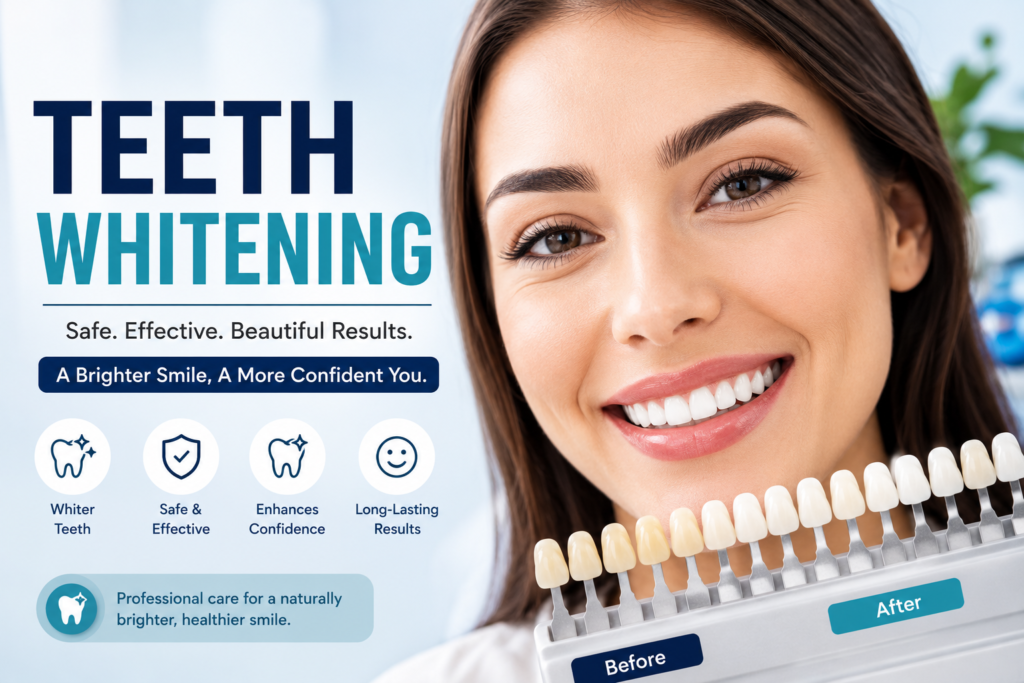
Teeth Whitening: Safe, Effective Ways to Achieve a Brighter Smile

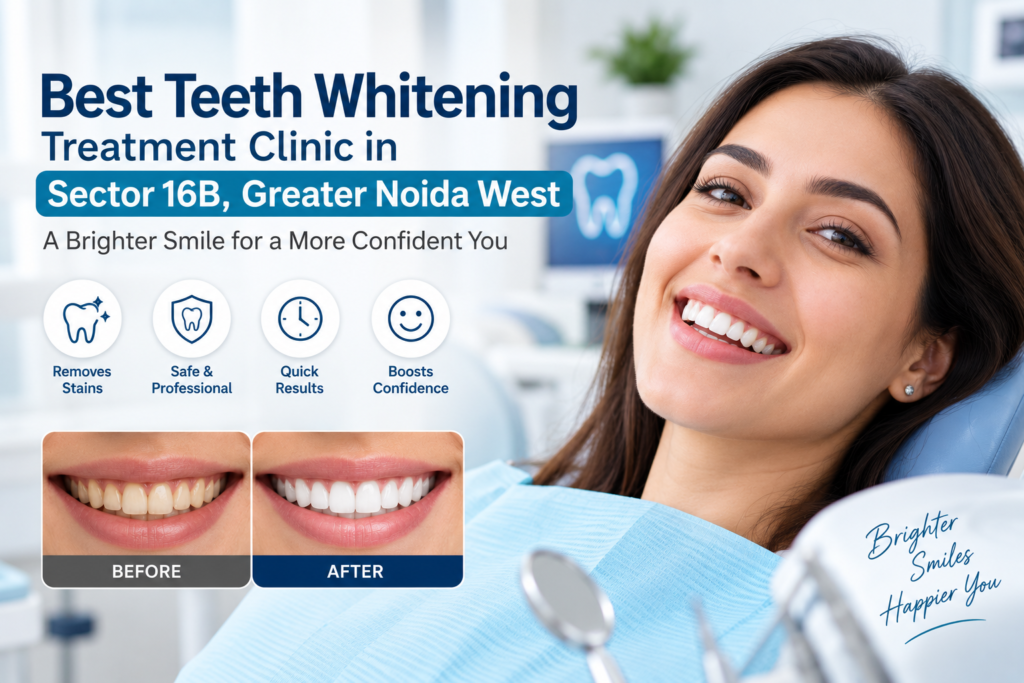
A bright, white smile is often associated with confidence, good health, and positive first impressions. However, over time, teeth naturally lose their brightness due to everyday habits, aging, and certain foods and beverages. While many whitening products promise instant results, not all of them are safe or effective. Understanding the causes of tooth discoloration and choosing the right whitening treatment can help you achieve noticeable results while protecting your oral health. Professional teeth whitening has become one of the most popular cosmetic dental procedures because it offers safe, predictable, and long-lasting results. Whether you’re preparing for a wedding, an important event, or simply want to feel more confident about your smile, teeth whitening can make a significant difference. In this guide, we’ll explain why teeth become stained, how professional whitening works, the available treatment options, and how to maintain your brighter smile for longer. Why Do Teeth Become Yellow or Stained? Teeth naturally change color over time, but several lifestyle and health factors can accelerate the process. Frequent consumption of tea, coffee, red wine, soft drinks, and deeply colored foods can gradually stain the outer surface of the teeth. Tobacco use is another common cause of stubborn discoloration because nicotine and tar penetrate the enamel, creating deep stains that are difficult to remove with regular brushing. As people age, the enamel gradually becomes thinner, allowing the naturally yellow dentin underneath to become more visible. Certain medications, dental trauma, excessive fluoride exposure during childhood, and poor oral hygiene may also contribute to tooth discoloration. Understanding the cause of staining helps your dentist recommend the most appropriate whitening treatment for your individual needs. What Is Professional Teeth Whitening? Professional teeth whitening is a cosmetic dental procedure that safely lightens the color of your natural teeth using specially formulated whitening agents. Unlike many over-the-counter products, professional treatments are carefully supervised by dental professionals, ensuring effective results while minimizing sensitivity and protecting the gums. The whitening gel penetrates the enamel to break down stain molecules without damaging the tooth structure. Depending on the level of discoloration, patients often notice their teeth becoming several shades brighter after treatment. Because every smile is unique, your dentist will assess your oral health before recommending the best whitening approach for you. In-Clinic Teeth Whitening vs At-Home Whitening Kits Many people wonder whether professional whitening is worth choosing over store-bought products. While over-the-counter whitening strips, toothpastes, and kits may produce mild improvements over time, they usually contain lower concentrations of whitening agents and cannot address deeper stains effectively. Professional in-clinic whitening delivers faster and more noticeable results because stronger whitening gels are used under controlled conditions. Your dentist also takes steps to protect your gums and soft tissues throughout the procedure, making the treatment both safe and comfortable. Some patients may also be advised to use custom-made take-home trays provided by their dentist for gradual whitening under professional guidance. Is Teeth Whitening Safe? One of the most common concerns patients have is whether whitening damages the teeth. When performed under the supervision of a qualified dentist, professional teeth whitening is considered safe and effective. The treatment does not weaken enamel or harm healthy teeth when appropriate techniques and approved whitening materials are used. Some individuals may experience temporary tooth sensitivity after whitening, but this usually disappears within a few days. Your dentist may recommend desensitizing products if necessary and provide personalized aftercare instructions to ensure maximum comfort. Who Is a Good Candidate for Teeth Whitening? Professional teeth whitening is suitable for many adults who have healthy teeth and gums but are unhappy with the color of their smile. It is particularly effective for stains caused by food, beverages, smoking, and natural aging. However, whitening may not be suitable for everyone. Dental restorations such as crowns, veneers, and tooth-colored fillings do not respond to whitening agents. Patients with untreated cavities, gum disease, or severe enamel damage may require other dental treatments before undergoing whitening. A consultation with your dentist is the best way to determine whether teeth whitening is right for you. How Long Do Teeth Whitening Results Last? The longevity of whitening results depends largely on lifestyle habits and oral hygiene. Patients who maintain good dental care and limit staining foods and beverages often enjoy a brighter smile for one to three years. Drinking coffee or tea through a straw, avoiding tobacco products, and attending regular professional cleanings can help extend the results even further. Occasional touch-up treatments may also be recommended to maintain the desired shade over time. Tips to Keep Your Smile White Maintaining your whitening results requires consistent oral care. Brushing twice daily with fluoride toothpaste, flossing regularly, and visiting your dentist for routine cleanings help remove plaque and surface stains before they become permanent. Limiting coffee, tea, red wine, and tobacco products also plays a significant role in preventing new stains. Drinking water after consuming colored foods and beverages can help reduce staining and keep your smile looking brighter. Healthy daily habits not only preserve your whitening results but also improve your overall oral health. Why Choose Dental Rootz for Teeth Whitening? At Dental Rootz, we believe every patient deserves a confident and healthy smile. Our professional teeth whitening treatments are designed to deliver safe, effective, and natural-looking results using advanced whitening technology and personalized care. Before recommending treatment, our experienced dental team carefully evaluates your oral health to ensure whitening is appropriate for you. We focus on patient comfort throughout the procedure and provide detailed aftercare guidance to help you maintain your results for as long as possible. Whether you are preparing for a special occasion or simply want to refresh your smile, we are committed to helping you achieve brighter teeth with confidence. Conclusion Professional teeth whitening is one of the safest and most effective ways to enhance your smile and boost your confidence. While everyday habits can gradually dull the natural brightness of your teeth, modern whitening treatments offer a reliable solution that delivers noticeable and long-lasting results. Choosing professional care

Uncategorized

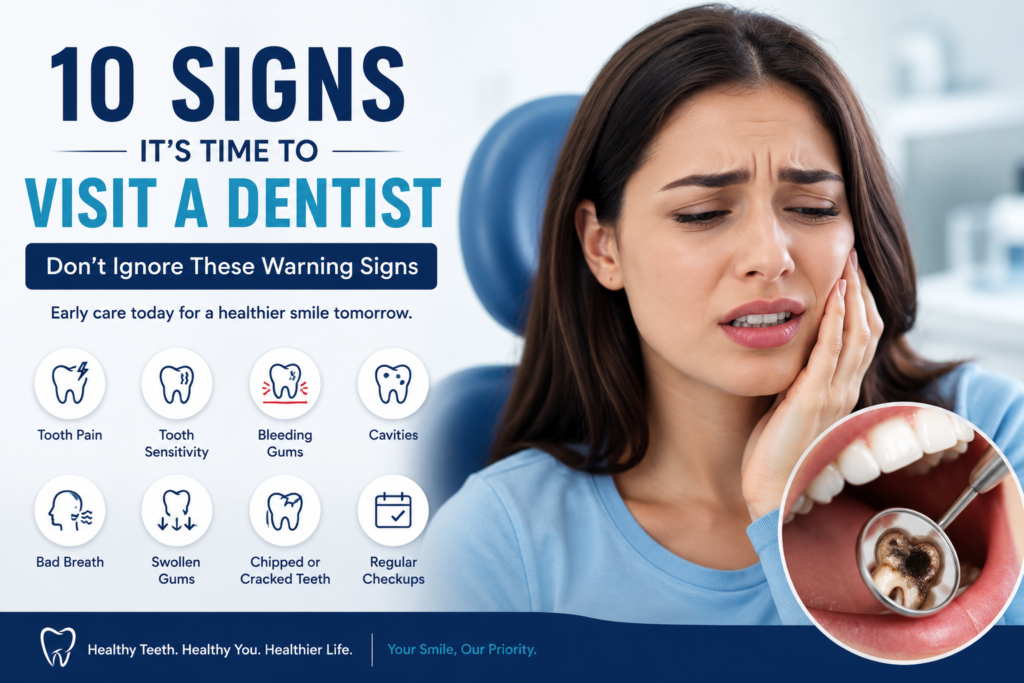
10 Signs It’s Time to Visit a Dentist: Don’t Ignore These Warning Signs

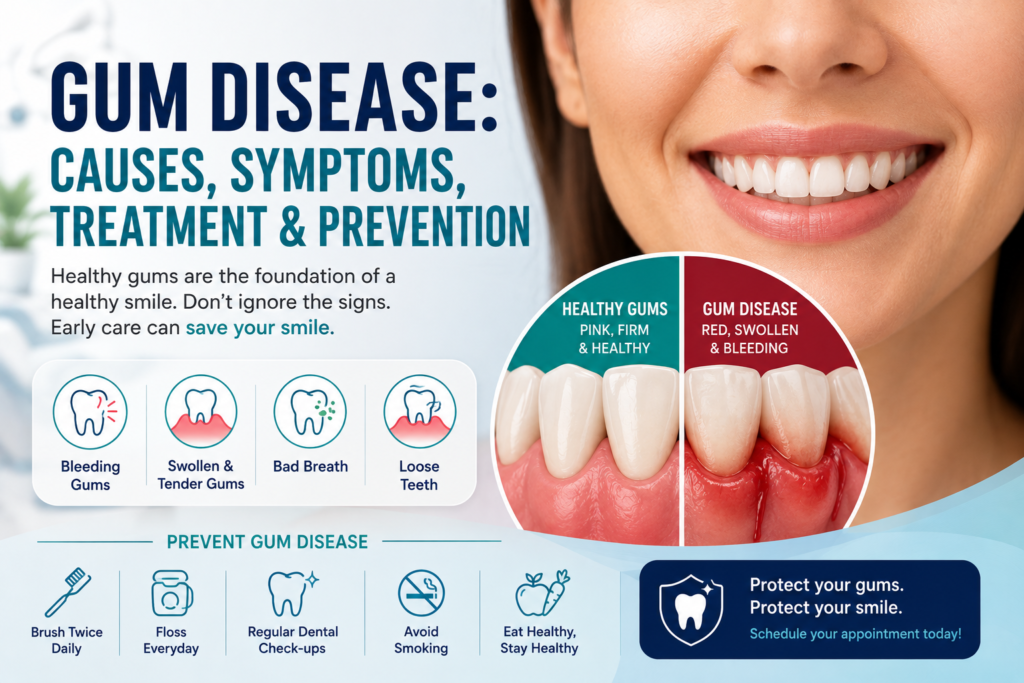
Many people visit a dentist only when they experience severe pain, but by that stage, a minor dental issue may have already developed into a more complex problem. Your mouth often gives early warning signs that something isn’t right, and recognizing these symptoms can help you avoid expensive treatments, preserve your natural teeth, and maintain better overall health. Routine dental checkups are important, but knowing when to schedule an appointment between regular visits is equally essential. Whether it’s a persistent toothache, bleeding gums, or unusual sensitivity, paying attention to these signs can make all the difference. In this guide, we’ll discuss the most common warning signs that indicate it’s time to visit a dentist and explain why early diagnosis is one of the best ways to protect your smile. Persistent Tooth Pain Should Never Be Ignored Occasional discomfort after eating something very cold or sweet may not always be serious, but pain that continues for several hours or keeps returning is often a sign of an underlying problem. Tooth pain can result from deep cavities, cracked teeth, infections, or damage to the tooth’s nerve. Ignoring persistent pain allows the problem to worsen over time. What begins as a small cavity may eventually require a root canal treatment or even tooth extraction if left untreated. Visiting your dentist early can often prevent more invasive procedures and help preserve your natural tooth. Bleeding Gums Are Not Normal Many people believe that gums bleed because they brush too hard, but healthy gums should not bleed regularly. Bleeding during brushing or flossing is often an early symptom of gum disease, which begins with inflammation caused by plaque buildup around the teeth. When detected early, gum disease can usually be treated with professional cleaning and improved oral hygiene. If ignored, however, it may progress to periodontitis, leading to gum recession, loose teeth, and even tooth loss. Tooth Sensitivity That Lasts for More Than a Few Seconds If sipping hot coffee or eating ice cream causes a sharp pain that lingers, your teeth may be trying to tell you something. Long-lasting sensitivity can result from worn enamel, cavities, exposed tooth roots, cracked teeth, or infection inside the tooth. Rather than relying on desensitizing toothpaste alone, it’s important to identify the underlying cause. A dental examination can determine the source of the sensitivity and prevent the problem from becoming more severe. Persistent Bad Breath May Indicate More Than Poor Oral Hygiene Everyone experiences bad breath occasionally, especially after certain foods. However, persistent bad breath that doesn’t improve with brushing or mouthwash can be a sign of gum disease, tooth decay, dry mouth, or bacterial infection. Professional dental cleaning and proper diagnosis often resolve the issue by treating its actual cause rather than temporarily masking the odor. Loose Teeth Should Always Be Evaluated Adult teeth are meant to remain stable throughout life. If you notice that a tooth feels loose or shifts while chewing, it should never be ignored. Bone loss due to advanced gum disease, trauma, or infection may be responsible. Early treatment may help stabilize the tooth and prevent further damage, while delaying treatment can increase the risk of tooth loss. Mouth Sores That Don’t Heal Small mouth ulcers are common and usually heal within one to two weeks. However, any sore, lump, or patch inside the mouth that persists beyond two weeks deserves professional evaluation. Although most mouth sores are harmless, some may indicate infections or more serious conditions that require early diagnosis. Swollen Gums or Face Swelling around a tooth or on one side of the face often indicates infection. Dental abscesses can spread if left untreated, making prompt dental care essential. Your dentist will identify the source of the infection and recommend appropriate treatment before complications develop. Difficulty Chewing or Jaw Pain Pain while chewing or opening your mouth may be associated with cracked teeth, wisdom teeth, temporomandibular joint (TMJ) disorders, or dental infections. Ignoring these symptoms may affect your daily activities and quality of life. Early diagnosis allows more conservative treatment options. You Haven’t Had a Dental Checkup in More Than Six Months Even if your teeth feel perfectly healthy, regular dental examinations remain essential. Many dental problems develop silently without noticeable symptoms until significant damage has already occurred. Professional checkups allow your dentist to detect cavities, gum disease, oral cancer, and other concerns in their earliest stages when treatment is usually simpler, faster, and more affordable. Changes in the Appearance of Your Teeth Discoloration, chipped teeth, cracks, worn enamel, or changes in the alignment of your teeth can affect both oral health and confidence. While these changes may appear cosmetic, they sometimes indicate underlying structural problems that require professional attention. Your dentist can recommend preventive or restorative treatments to protect your teeth while improving your smile. Why Early Dental Care Matters Many serious dental conditions begin with subtle symptoms that are easy to overlook. Early diagnosis not only helps preserve your natural teeth but also reduces treatment time, discomfort, and overall costs. Preventive dental care is one of the most effective ways to maintain a healthy smile for life. At Dental Rootz, we believe that patient education is just as important as treatment. Our experienced team uses advanced diagnostic technology and personalized care to identify problems early and provide effective solutions tailored to your needs. Conclusion Your oral health plays a vital role in your overall well-being, and recognizing early warning signs can help prevent small problems from becoming major dental concerns. Whether you’re experiencing tooth pain, bleeding gums, persistent bad breath, or simply haven’t had a dental checkup in a while, seeking professional care at the right time can protect your smile and save you from more extensive treatments in the future. At Dental Rootz, we’re committed to providing comprehensive dental care in a comfortable and patient-friendly environment. If you’ve noticed any of these warning signs, schedule a consultation with our experienced team and take the first step toward a healthier smile. Frequently Asked Questions 1. How often should

Uncategorized

Best Dental Implants in Greater Noida West

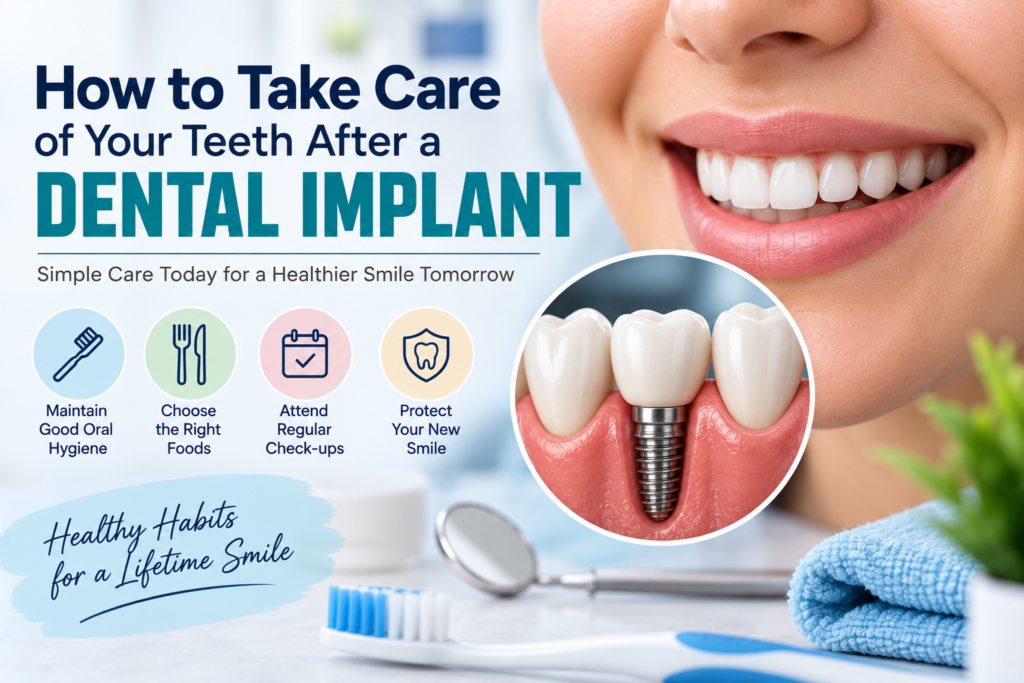
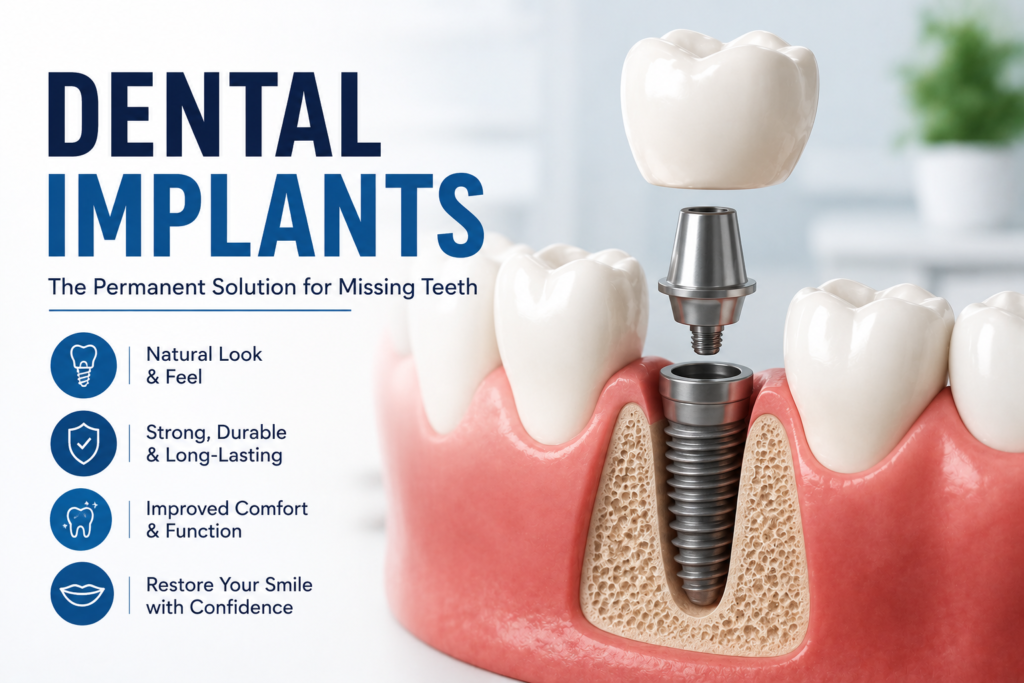
Dental Implants: The Permanent Solution for Missing Teeth Best Dental Implants in Greater Noida West are one of the most reliable and long-lasting solutions for replacing missing teeth. Missing teeth can affect much more than your appearance. They can make it difficult to chew your favorite foods, impact your speech, reduce your confidence, and even lead to long-term oral health problems. While traditional dentures and bridges have helped people replace missing teeth for many years, dental implants have become the preferred solution because they closely resemble natural teeth in both appearance and function. Dental implants are designed to provide a permanent replacement for missing teeth while preserving the health of your jawbone and surrounding teeth. Thanks to modern dental technology, implant treatment is safer, more comfortable, and highly successful. Whether you have lost a single tooth or multiple teeth, dental implants can restore your smile and improve your quality of life. In this guide, you’ll learn everything you need to know about dental implants, including how they work, who is a suitable candidate, the treatment process, recovery, benefits, and long-term care. 🦷 Why Choose Dental Implants? Dental implants provide a permanent, natural-looking replacement for missing teeth while helping preserve your jawbone, improve chewing ability, and restore confidence in your smile. ✓ Permanent solution for missing teeth ✓ Natural appearance and comfortable fit ✓ Helps preserve jawbone health ✓ Restores chewing and speaking ability To learn more about dental implants and maintaining good oral health, visit the American Dental Association (ADA) . What Are the Best Dental Implants in Greater Noida West? Dental implants are artificial tooth roots made from medical-grade titanium or zirconia that are surgically placed into the jawbone. Over time, the implant naturally fuses with the surrounding bone through a process called osseointegration, creating a strong and stable foundation for a dental crown, bridge, or denture. Unlike removable dentures, dental implants become a permanent part of your mouth, allowing you to eat, speak, and smile with confidence. Because they replace the root as well as the visible portion of the tooth, implants help maintain healthy jawbone structure and prevent the bone loss that often follows tooth loss. One of the biggest advantages of dental implants is that they function almost exactly like natural teeth. They look natural, feel comfortable, and require no special adhesives or daily removal. Key Features of Dental Implants Natural Appearance Designed to closely match the look, feel, and function of natural teeth. Permanent Solution Securely placed in the jawbone to provide long-lasting stability. Bone Preservation Helps maintain jawbone density and prevents bone loss after tooth loss. Improved Comfort Allows comfortable eating, speaking, and smiling without slipping. Why Do People Lose Teeth? Tooth loss can happen for many reasons, and understanding the cause is important when planning treatment. Severe tooth decay that cannot be restored, advanced gum disease, accidents or sports injuries, cracked teeth beyond repair, and age-related dental problems are among the most common reasons people lose teeth. When a tooth is lost, the surrounding teeth may begin to shift into the empty space. Over time, this can affect your bite, make cleaning more difficult, and increase the risk of further dental problems. The jawbone beneath the missing tooth also begins to shrink because it no longer receives stimulation from the tooth root. Dental implants help prevent these changes by replacing both the root and the visible tooth. ✓ Severe tooth decay beyond repair ✓ Advanced gum disease ✓ Sports injuries or accidents ✓ Cracked or damaged teeth ✓ Age-related tooth loss ✓ Prevents jawbone deterioration Who Is a Good Candidate for the Best Dental Implants in Greater Noida West? Most healthy adults with one or more missing teeth are suitable candidates for dental implants. A healthy jawbone is important because it provides the support needed for the implant to integrate successfully. Even if some bone loss has occurred, modern procedures such as bone grafting can often make implant treatment possible. Your dentist will evaluate your oral health, medical history, and jawbone using digital imaging before recommending the most suitable treatment plan. Patients who maintain good oral hygiene and attend regular dental check-ups generally experience excellent long-term success with dental implants. Ideal Candidates Include ✓ Adults with one or more missing teeth. ✓ Patients with healthy gums and sufficient jawbone support. ✓ Individuals committed to maintaining good oral hygiene. ✓ Patients willing to attend regular dental check-ups. ✓ People looking for a permanent tooth replacement solution. Understanding the Dental Implant Procedure The dental implant process begins with a comprehensive consultation where your dentist carefully examines your mouth and takes digital X-rays or 3D scans. These images help determine the quality of your jawbone and allow precise treatment planning. During the implant placement procedure, local anesthesia is used to ensure comfort. The implant is carefully positioned within the jawbone, where it will gradually fuse with the bone over the next few months. Once healing is complete, a small connector called an abutment is attached to the implant, followed by a custom-made dental crown that matches the color, size, and shape of your natural teeth. The result is a replacement tooth that looks and functions like a natural one, allowing you to smile, eat, and speak without worry. 1 Consultation Comprehensive examination with digital X-rays or 3D imaging to create a personalized treatment plan. 2 Implant Placement The implant is precisely placed into the jawbone under local anesthesia for maximum comfort. 3 Final Restoration After healing, an abutment and custom-made crown are attached to complete your natural-looking smile. Benefits of the Best Dental Implants in Greater Noida West Dental implants offer several advantages that make them one of the most reliable tooth replacement options available today. They provide exceptional stability because they are anchored directly into the jawbone rather than resting on the gums. This means they do not slip while speaking or eating and allow patients to enjoy a wider variety of foods with confidence. Unlike traditional bridges, dental implants do not require healthy

Uncategorized

Root Canal Treatment: Everything You Need to Know to Save Your Natural Tooth

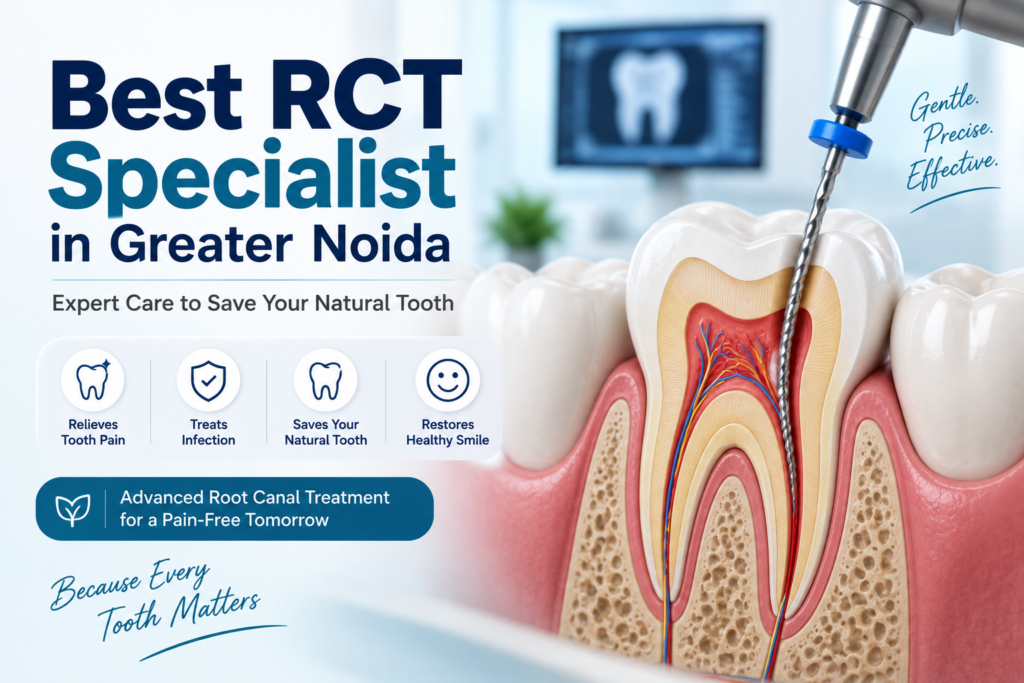
ROOT CANAL TREATMENT Save Your Natural Tooth with Root Canal Treatment A persistent toothache can make eating, sleeping, and even speaking uncomfortable. While many people assume that removing the tooth is the only solution, modern dentistry offers a better alternative. Root Canal Treatment helps eliminate infection while preserving your natural tooth, allowing you to maintain your smile and oral health. Despite its reputation, Root Canal Treatment is a safe, comfortable, and highly effective procedure. Advances in dental technology and anesthesia have made it no more uncomfortable than getting a regular filling. If you have been experiencing severe tooth pain or sensitivity, understanding how the procedure works can help you make an informed decision before the condition worsens. In this comprehensive guide, you’ll learn what Root Canal Treatment is, when it is needed, how the procedure is performed, recovery tips, and how it helps save your natural tooth. ROOT CANAL GUIDE What Is Root Canal Treatment? Root Canal Treatment is a dental procedure used to remove infected or damaged pulp from inside a tooth. The pulp contains nerves, blood vessels, and connective tissue that help the tooth develop during its early stages. Once a tooth is fully developed, it can function normally even without the pulp because it receives nourishment from the surrounding tissues. If left untreated, an infected tooth may require more extensive dental care. Explore our complete dental services to learn how we help patients maintain healthy smiles. When bacteria enter the pulp through deep decay, cracks, trauma, or repeated dental procedures, the tissue becomes infected or inflamed. If left untreated, the infection may spread to the surrounding bone and eventually lead to tooth loss. The purpose of Root Canal Treatment is to remove the infection, disinfect the inside of the tooth, seal it properly, and restore its strength with a filling or crown. Signs You May Need a Root Canal If you experience any of these symptoms, schedule a dental examination as soon as possible. Persistent tooth pain Pain while chewing or biting Hot & cold sensitivity Swollen or tender gums Gum abscess or pimple Tooth discoloration Jaw or facial swelling Bad taste or bad breath Sometimes, an infected tooth may not cause noticeable pain until the infection becomes advanced. Regular dental check-ups allow early diagnosis and can help save your natural tooth before more complex treatment becomes necessary. Root Canal Treatment ROOT CANAL GUIDE Common Causes of Tooth Pulp Infection The inner pulp of a tooth can become infected due to several reasons. Recognizing these causes early helps prevent severe infection and protects your natural tooth. 🦷 Deep Cavities Untreated cavities that extend deep into the tooth. ⚡ Cracked Teeth Cracked or fractured teeth allow bacteria to reach the pulp. 🏀 Dental Injuries Trauma caused by accidents or sports injuries. 🔁 Repeated Fillings Large fillings placed repeatedly on the same tooth. 🩺 Gum Disease Advanced gum disease reaching the tooth root. 🦠 Bacterial Infection Bacteria entering through damaged enamel. Early Treatment Makes the Difference Seeking treatment early can prevent the infection from spreading and greatly improve the chances of saving your natural tooth. STEP BY STEP How Is a Root Canal Procedure Performed? A Root Canal Treatment is usually completed in one or two appointments using modern dental techniques. 1 Diagnosis & Examination The dentist examines the affected tooth and takes digital X-rays before administering local anesthesia. 2 Removing the Infected Pulp A small opening is created to remove infected tissue using specialized dental instruments. 3 Cleaning & Disinfection The canals are cleaned, shaped, and disinfected to eliminate bacteria. 4 Filling the Root Canals The canals are sealed with gutta-percha to prevent future infection. 5 Restoring the Tooth A dental crown restores the tooth’s strength, appearance, and functionality. Does Root Canal Treatment Hurt? One of the biggest misconceptions is that Root Canal Treatment is painful. In reality, modern anesthesia and advanced dental technology make the procedure comfortable for most patients. Many compare the experience to receiving a routine dental filling. Mild soreness for a few days is normal and can usually be managed with prescribed or over-the-counter medication. ROOT CANAL BENEFITS Benefits of Root Canal Treatment Choosing Root Canal Treatment offers several long-term advantages. The greatest benefit is preserving your natural tooth instead of removing it. Keeping your natural tooth helps maintain proper chewing function, supports your jawbone, and prevents neighboring teeth from shifting. Rather than extracting the damaged tooth, root canal therapy removes the infection while maintaining the tooth’s natural structure. This allows you to continue eating, speaking, and smiling confidently without compromising your oral health. Did You Know? After completing your root canal treatment, a dental crown is often recommended to strengthen and protect the treated tooth, allowing it to function just like a healthy natural tooth. Key Benefits Preserves your natural tooth Relieves severe tooth pain Removes infection completely Prevents tooth extraction Improves chewing function Supports healthy jawbone Natural appearance after crown placement Long-lasting results with proper care AFTERCARE GUIDE Recovery After Root Canal Treatment Recovery is usually quick and uncomplicated. Most patients return to work or their normal routine the following day. Mild tenderness may remain for two or three days, especially if the infection was severe before treatment. 01 Avoid Chewing Avoid chewing on the treated side until your permanent filling or crown has been placed. 02 Maintain Oral Hygiene Continue brushing twice daily and flossing regularly to keep the treated tooth healthy. 03 Attend Follow-Ups Visit your dentist for follow-up appointments and permanent crown placement. 04 Follow Instructions Take medications exactly as prescribed and avoid hard or sticky foods during recovery. Good News: Once the permanent crown is placed, your treated tooth functions just like a healthy natural tooth and can last for many years with proper care. WHY CHOOSE US Why Choose Dental Rootz? At Dental Rootz, patient comfort, precision, and long-term oral health are at the heart of everything we do. Our experienced dentists combine advanced technology with compassionate care to deliver safe, comfortable, and successful root canal

Contact Us

Scroll to Top